







Authorities Impose Strict Airspace Restrictions Ahead of 2026 FIFA World Cup, Warn Violators of Heavy Penalties
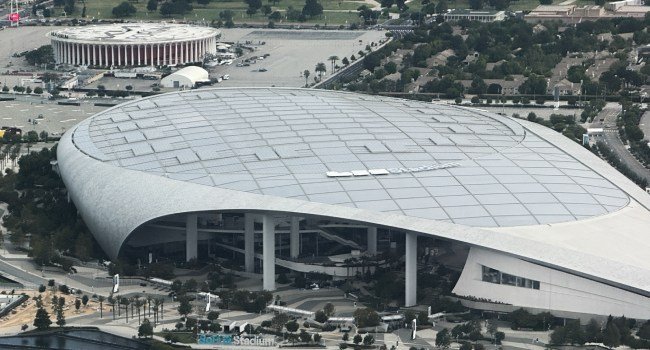
Authorities in the United States have announced a ban on drone flights over stadiums hosting matches at the 2026 FIFA World Cup, as well as over designated fan event locations, as part of heightened security measures for the global tournament.
The restriction, which takes effect when the competition kicks off on June 11, is aimed at ensuring the safety of players, officials, and millions of fans expected to attend matches and related events across host cities.
Under the new guidelines, all unauthorised aircraft, including drones, will be prohibited from operating within a three-nautical-mile radius of World Cup stadiums on match days. The restriction also extends up to 3,000 feet above ground level.
Similarly, temporary no-fly zones will be enforced around official fan events organised by host cities. These zones will cover a one-nautical-mile radius and extend up to 1,000 feet above ground level.
Authorities stated that the measures are part of broader efforts to secure airspace during one of the world’s largest sporting events, which is expected to draw global attention and large crowds.
Officials emphasised that strict enforcement mechanisms will be in place, warning that violators could face severe consequences, including fines of up to $100,000, confiscation of equipment, and possible federal criminal charges.
Security agencies also indicated that advanced technologies would be deployed to detect and track unauthorised drones, as well as identify and locate their operators in real time.
They noted that enforcement teams are prepared to intercept any drone found violating restricted airspace if necessary.
As part of the enhanced enforcement strategy, authorities will deploy a system designed to enable rapid detection of drone incursions and strengthen response capabilities throughout the tournament.
The World Cup, widely regarded as the biggest event in global football, will be co-hosted by the United States, Mexico, and Canada, running from June 11 to the final on July 19.
With millions of fans expected to attend matches and fan events across multiple cities, officials said maintaining secure airspace is critical to ensuring a safe and successful tournament.
The latest restrictions reflect growing global concerns over the misuse of drones in crowded public spaces and the potential risks they pose to security, aviation safety, and event management.
Authorities have therefore urged members of the public, particularly drone operators, to comply fully with the regulations and remain aware of designated no-fly zones throughout the tournament period.
They stressed that the safety of spectators and participants remains the top priority, adding that all necessary measures are being taken to prevent disruptions and ensure a smooth World Cup experience.