




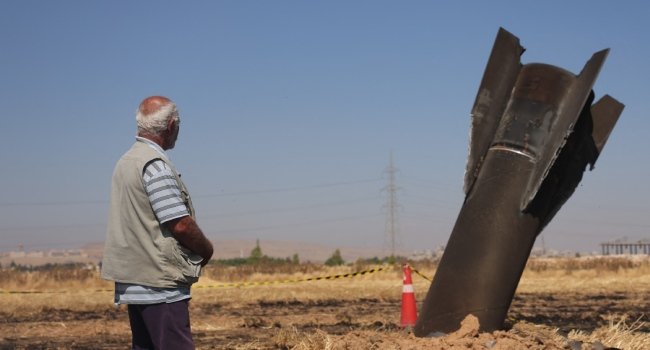
Iran, Israel Exchange Missile Strikes As Middle East Tensions Escalate
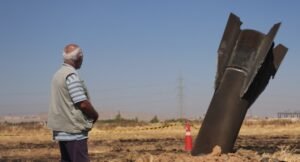
Tensions in the Middle East escalated dramatically overnight after Iran launched a barrage of missiles at Israel, prompting retaliatory strikes by Israeli forces against military targets inside the Islamic Republic.
The latest exchange of attacks has heightened fears of a broader regional conflict involving multiple countries and armed groups across the Middle East, while also triggering concerns over global oil supply disruptions and international trade instability.
The missile attacks came amid rising hostilities linked to recent Israeli operations targeting positions associated with Hezbollah, the Iran-backed Lebanese Shiite militant group, in the southern suburbs of Beirut.
Iran had repeatedly warned that any direct Israeli strikes on Beirut would provoke retaliation, and the overnight missile barrage appears to mark Tehran’s response to those developments.
Israeli Prime Minister Benjamin Netanyahu’s government reportedly authorized retaliatory military operations shortly after the Iranian strikes, targeting what Israeli officials described as military infrastructure and strategic sites within Iran.
The exchange of attacks also appeared to place Netanyahu at odds with United States President Donald Trump, who had reportedly urged restraint and caution amid fears that the conflict could spiral into a wider regional war.
International observers say the latest escalation has significantly weakened hopes for a quick diplomatic resolution to the standoff, which has already disrupted maritime trade and energy shipments through the strategically important Strait of Hormuz.
The Strait of Hormuz remains one of the world’s most critical shipping routes for oil and gas exports, particularly from Gulf nations.
Concerns over possible disruptions to shipping traffic in the area immediately affected global financial markets, with oil prices surging sharply following reports of the missile exchanges.
Energy analysts warned that prolonged instability in the region could trigger higher fuel prices, supply shortages and broader economic consequences for countries heavily dependent on Middle Eastern oil exports.
Shipping companies and international traders have also reportedly intensified risk assessments over fears that commercial vessels moving through the Gulf region could become exposed to military confrontations or restrictions.
The renewed conflict has further complicated ongoing diplomatic efforts aimed at de-escalating tensions between Iran, Israel and their regional allies.
Pakistan, which has reportedly been involved in mediation efforts, now faces increasing pressure as attempts to secure a ceasefire or diplomatic breakthrough appear increasingly fragile.
Iranian Foreign Ministry spokesman Esmaeil Baqaei acknowledged during a press conference in Tehran that the current military escalation could affect ongoing diplomatic initiatives aimed at ending the conflict.
“It is perfectly natural that the diplomatic process initiated to put an end to this imposed war would be affected,” Baqaei said during the briefing attended by international media organizations, including AFP.
Despite the growing hostilities, the Iranian official insisted that diplomatic engagement had not completely collapsed.
“Diplomatic consultations are naturally continuing in all circumstances,” he added.
Shortly after the briefing, reports emerged of a major explosion near the Iranian foreign ministry building in Tehran.
According to journalists on ground, a loud blast shook the area, followed by repeated explosions believed to be linked to Iranian air defence operations.
Local Iranian media later reported that the country’s air defence systems had intercepted and shot down what authorities described as a “hostile drone” flying over Tehran.
The latest developments have intensified fears of direct military confrontation between Iran and Israel, two long-standing regional rivals whose shadow conflict has frequently played out through proxy groups and covert operations across the Middle East.
In recent years, tensions between both countries have risen sharply over Iran’s regional influence, Hezbollah’s activities in Lebanon, and broader geopolitical rivalries involving the United States and Gulf allies.
Analysts warn that further escalation could destabilize several countries in the region and trigger wider security and humanitarian consequences.
The international community has continued calling for restraint from all parties involved, with fears that any prolonged confrontation could undermine global economic stability and worsen existing geopolitical tensions.
Several countries are reportedly monitoring the situation closely, particularly given the potential impact on global energy markets, maritime trade routes and international security.
The exchange of missile strikes also comes at a time of heightened political and military tensions across the Middle East, where conflicts in Gaza, Lebanon, Syria and the Gulf region have already strained diplomatic relations among key powers.
As military operations continue and diplomatic negotiations remain uncertain, attention is expected to remain focused on whether regional and international actors can prevent the crisis from escalating into a larger war.
For now, the latest missile exchanges between Iran and Israel have further deepened uncertainty in an already volatile region while raising fresh concerns over global economic and security implications.