



Dada Olusegun Accuses Comedian Of Spreading Fear With Footage Linked To Benin Republic
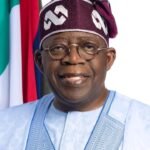
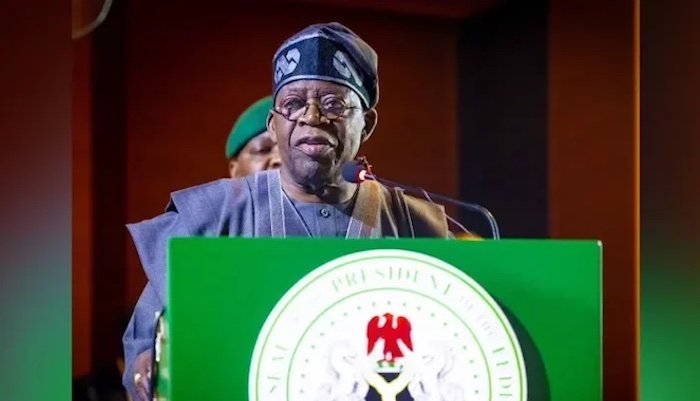
Special Assistant to President Bola Tinubu on Social Media, Dada Olusegun, has criticized popular content creator and comedian Nasboi over a video he shared online, accusing him of spreading fear and misinformation among Nigerians.
Olusegun, in a post shared via his verified X handle on Tuesday, alleged that the viral footage posted by the comedian was misleading and unrelated to Nigeria, contrary to the impression created on social media.
According to the presidential aide, the video in question was originally sourced from a page that identified the armed men seen in the footage as terrorists operating in the Republic of Benin and not within Nigerian territory.
He argued that sharing such content without proper verification could create unnecessary panic and anxiety among citizens already worried about security challenges in the country.
“You cannot continue to intentionally use your page to spread fear @iamnasboi for whatever reason you might think you have,” Olusegun wrote.
“The video you posted was clearly quoted from a page that says these are Beninese terrorists. This means the footage is from Benin Republic and has nothing to do with Nigeria.”
“We have our challenges, but you using your wide reach to spread fear with a fake footage is the highest form of irresponsibility. You can do better!” he added.
The presidential aide, however, did not provide additional details regarding the exact origin of the footage or when it was initially uploaded online.
Nasboi, whose real name is Lawal Michael Nasiru Bolaji, had earlier shared the clip on Tuesday with the caption, “PRESIDENT @officialABAT.”
The footage, which quickly gained traction online, showed heavily armed men riding motorcycles and carrying out what appeared to be a raid operation in a dusty rural environment.
The disturbing visuals immediately triggered reactions from Nigerians on social media, with many expressing concerns over worsening insecurity in parts of the country.
While terrorist groups operating in North-East Nigeria and across the wider Sahel region have previously released similar propaganda videos showing attacks and military-style raids, the authenticity and location of the particular footage shared by Nasboi could not be independently verified.
Security concerns have remained one of the major issues dominating public discourse in Nigeria, with citizens frequently raising alarm over kidnappings, banditry, insurgency, and violent attacks in different parts of the country.
As a result, sensitive security-related content shared online often generates widespread attention and emotional reactions among the public.
Meanwhile, recent reports confirmed that Jama’at Nusrat al-Islam wal-Muslimin (JNIM), an al-Qaeda-affiliated extremist group, recently claimed responsibility for an attack on Beninese army barracks located in the Koalou-Kourou area near the Burkina Faso border.
The attack reportedly occurred on or around May 25 and was said to have targeted military personnel stationed in the region.
According to reports, the militant group later released footage of the operation, claiming that several soldiers were killed during the assault while weapons and military equipment were also seized.
The incident has further highlighted growing insecurity concerns across parts of West Africa and the Sahel, where extremist groups continue to launch attacks against security forces and local communities.
Olusegun’s criticism of Nasboi has since generated mixed reactions online.
While some Nigerians supported the presidential aide’s position and stressed the need for responsible use of social media platforms, others argued that public figures and influencers often share such videos to draw attention to broader security concerns affecting the region.
Some users also insisted that regardless of the footage’s actual location, insecurity remains a major issue in Nigeria and across neighboring West African countries.
Others, however, maintained that public figures with large audiences must verify information before sharing it online, especially when the content relates to terrorism or national security.
The controversy once again underscores the growing challenge of misinformation and unverified content on social media platforms, particularly during periods of heightened public concern over security matters.
Experts have repeatedly warned that false or misleading security-related information can fuel panic, spread confusion, and undermine public trust.
As of the time of filing this report, Nasboi had yet to publicly respond to the criticism from the presidential aide or clarify the source of the footage shared on his social media page.