

Nigerian Senator Pledges Strategic Leadership as He Takes Charge of Key United Nations Financial Committee
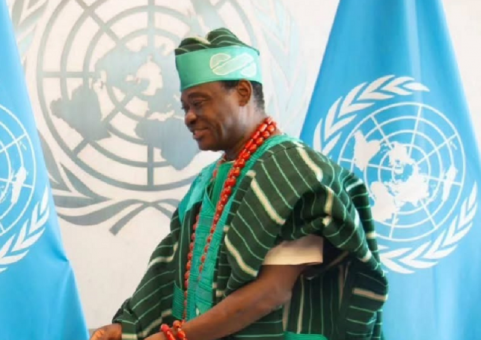
Senator Jimoh Ibrahim has been elected Chairman of the United Nations Committee on Budget and Administration, widely known as the UN Fifth Committee, in a development seen as a significant diplomatic achievement for Nigeria on the global stage.
The senator announced his election in a statement issued , describing the appointment as both an honor and a major responsibility at a critical period in global affairs.
According to Ibrahim, his emergence as chairman places him at the centre of the United Nations’ financial and administrative framework, where he is expected to coordinate strategic decisions relating to budgeting, appropriations, and human resource management across the organization.
“It is indeed an honor for me to be elected as the Chairman of Budget and Administration of the United Nations today, 2nd June 2026,” the senator stated.
The UN Fifth Committee is one of the most influential committees within the United Nations system, responsible for handling the organization’s administrative and budgetary matters. The committee oversees issues relating to the UN’s finances, operational expenditures, staff welfare, peacekeeping budgets, and overall management structure involving the organization’s 193 member states.
Observers say Ibrahim’s election reflects growing international recognition of Nigeria’s diplomatic presence and participation in global governance discussions.
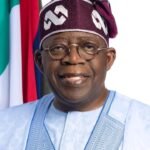
In his statement, the lawmaker expressed deep appreciation to President Bola Ahmed Tinubu, whom he described as a mentor in governance reforms. He noted that lessons learned from the president’s reform-driven leadership would influence his approach in managing the committee’s responsibilities.
“Let me express my profound appreciation to the President, Bola Ahmed Tinubu, GCFR. Mr President, as your student in the reforms class, be assured that those teaching slides will reflect in the Budget, Appropriations and Human Resources of the United Nations,” he said.
Ibrahim’s remarks appeared to signal a commitment to implementing efficiency-driven policies and strategic reforms within the committee’s operations, especially at a time when the United Nations faces increasing pressure over global conflicts, humanitarian crises, and funding challenges.
The senator also acknowledged the support of Nigerians, describing his election as a historic achievement for the country.
“Let me thank the good people of Nigeria for this historic achievement,” he added.
He further assured representatives of the UN’s 193 member states that he would provide effective and strategic leadership during what he described as a challenging period in world history.
“I assure my colleagues of the 193-member states that at this challenging time in history, it is my responsibility to provide strategy in chaotic situations,” Ibrahim stated.
His election comes amid growing calls for stronger financial accountability and institutional reforms within international organizations. Analysts believe the Fifth Committee will continue to play a crucial role in determining how the United Nations responds to emerging global security threats, humanitarian emergencies, climate-related challenges, and peacekeeping operations.
As chairman, Ibrahim is expected to coordinate discussions among member states on budget approvals, financial oversight, administrative policies, and resource allocation across various UN agencies and programmes.
The development has already attracted reactions from political observers and diplomatic stakeholders, many of whom view the appointment as a boost to Nigeria’s international reputation.
In recent years, Senator Ibrahim has increasingly participated in international policy conversations, particularly on security, terrorism, and governance issues affecting Africa and the wider global community. His contributions at international forums have drawn attention to Nigeria’s role in diplomatic engagement and multilateral cooperation.
The senator has previously spoken on issues relating to insecurity across Africa, the proliferation of small arms, and the need for stronger international collaboration to combat terrorism and violent conflicts on the continent.
Political analysts say his new position at the United Nations could provide Nigeria with greater visibility and influence in global administrative and financial policy discussions.
The United Nations Fifth Committee remains central to the day-to-day functioning of the global body, as its decisions directly affect operational funding, staff administration, and the execution of international programmes across multiple regions of the world.
Ibrahim is expected to officially begin coordinating committee activities immediately following his election, with several key financial and administrative deliberations already scheduled within the current UN session.
His appointment marks another milestone in Nigeria’s diplomatic engagement at the United Nations and is likely to further strengthen the country’s voice within international governance structures.