





Diplomatic Tension Rises As China Imposes Travel Restriction On New Zealand Lawmakers Over Taiwan Trip
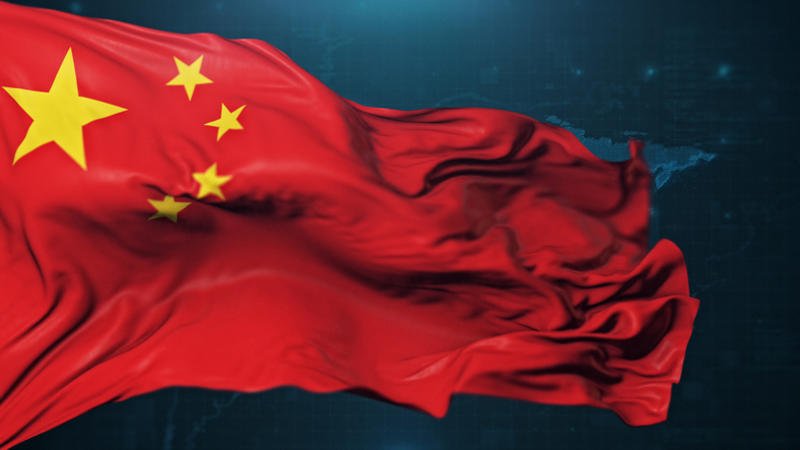
China has imposed a one-year travel ban on four Members of Parliament from New Zealand following their recent visit to Taiwan, escalating diplomatic tensions between Beijing and Wellington over the self-governed island.
The lawmakers were reportedly informed of the restriction shortly after returning from their trip to Taiwan in May, according to New Zealand’s foreign ministry.
The move has been described by New Zealand officials as unprecedented and inconsistent with long-standing diplomatic practices between the two countries.
Reports indicate that Chinese authorities informed the lawmakers that the travel ban could potentially be reduced or lifted if they issued formal apologies over the visit.
The development has sparked fresh debate over China’s increasingly aggressive diplomatic posture toward countries and officials engaging with Taiwan, which Beijing considers part of its territory under the “One China” principle.
Taiwan, however, continues to govern itself democratically and maintains informal relations with several countries around the world despite pressure from China.
In a statement reacting to the ban, a spokesperson for New Zealand’s foreign ministry said officials were surprised by Beijing’s decision, noting that parliamentary visits to Taiwan had occurred for decades without causing such diplomatic consequences.
“New Zealand MPs have traveled to Taiwan for decades, and such visits do not contradict New Zealand’s One China policy,” the spokesperson stated.
The ministry stressed that the visits were part of normal parliamentary engagements and did not represent any formal shift in Wellington’s diplomatic recognition policy.
China’s embassy in Wellington defended the decision, accusing the lawmakers of ignoring Beijing’s warnings and sending what it described as “wrong signals” through their meetings with Taiwan’s ruling Democratic Progressive Party.
According to the embassy, the MPs interfered in China’s internal affairs by engaging politically with Taiwanese authorities.
The Chinese government has consistently opposed official contacts between foreign politicians and Taiwan, arguing that such engagements undermine its sovereignty claims over the island.
The lawmakers affected by the restriction include Maureen Pugh, David Wilson, Laura McClure and opposition Labour Party member Duncan Webb.
One of the affected MPs, Laura McClure, criticised the decision, describing it as an attempt at foreign interference and political intimidation.
She insisted that members of parliament have the right to travel freely and engage with democratic partners around the world without fear of retaliation.
“I will not apologize for visiting Taiwan,” McClure reportedly said while expressing shock over the restriction.
The lawmaker maintained that the trip was legitimate and aligned with democratic values and parliamentary diplomacy.
Political analysts say the incident reflects the growing global sensitivity surrounding Taiwan, particularly as tensions between China and Western allies continue to rise.
In recent years, Beijing has intensified diplomatic and economic pressure on countries, businesses and public officials perceived to be supporting Taiwan’s international participation.
The issue has increasingly become a flashpoint in global politics, with several democratic nations balancing economic ties with China against support for Taiwan’s democratic system.
New Zealand’s Foreign Minister, Winston Peters, has called for clarification from Chinese authorities regarding what he described as a departure from established diplomatic norms.
Peters urged officials in both Beijing and Wellington to engage in discussions aimed at resolving the matter and preventing further strain on bilateral relations.
The diplomatic dispute comes at a time when China continues to strengthen its influence in the Asia-Pacific region while maintaining a firm stance on Taiwan-related issues.
Observers note that New Zealand has historically maintained relatively stable relations with China compared to some Western allies, making the latest development particularly significant.
China remains one of New Zealand’s largest trading partners, with strong economic ties spanning agriculture, tourism, education and exports.
However, geopolitical tensions involving Taiwan, human rights concerns and security issues have increasingly tested relationships between China and several democratic nations.
The controversy has also reignited wider international discussions about parliamentary independence, diplomatic freedom and the limits of foreign influence in democratic societies.
Some analysts believe the travel restriction could have broader implications for diplomatic engagement between China and lawmakers from other countries who may consider visiting Taiwan in the future.
Meanwhile, Taiwan and its supporters continue to reject China’s claims that international visits and diplomatic engagements constitute interference in Beijing’s domestic affairs.
As global competition for influence intensifies, the Taiwan issue remains one of the most sensitive and politically charged matters in international diplomacy.