






White House Unveils National AI Framework to Preempt State Regulations
The White House released a comprehensive national artificial intelligence legislative framework on Friday, signaling a strategic push to enforce a “light-touch” regulatory approach and block states from enacting their own disparate AI laws.
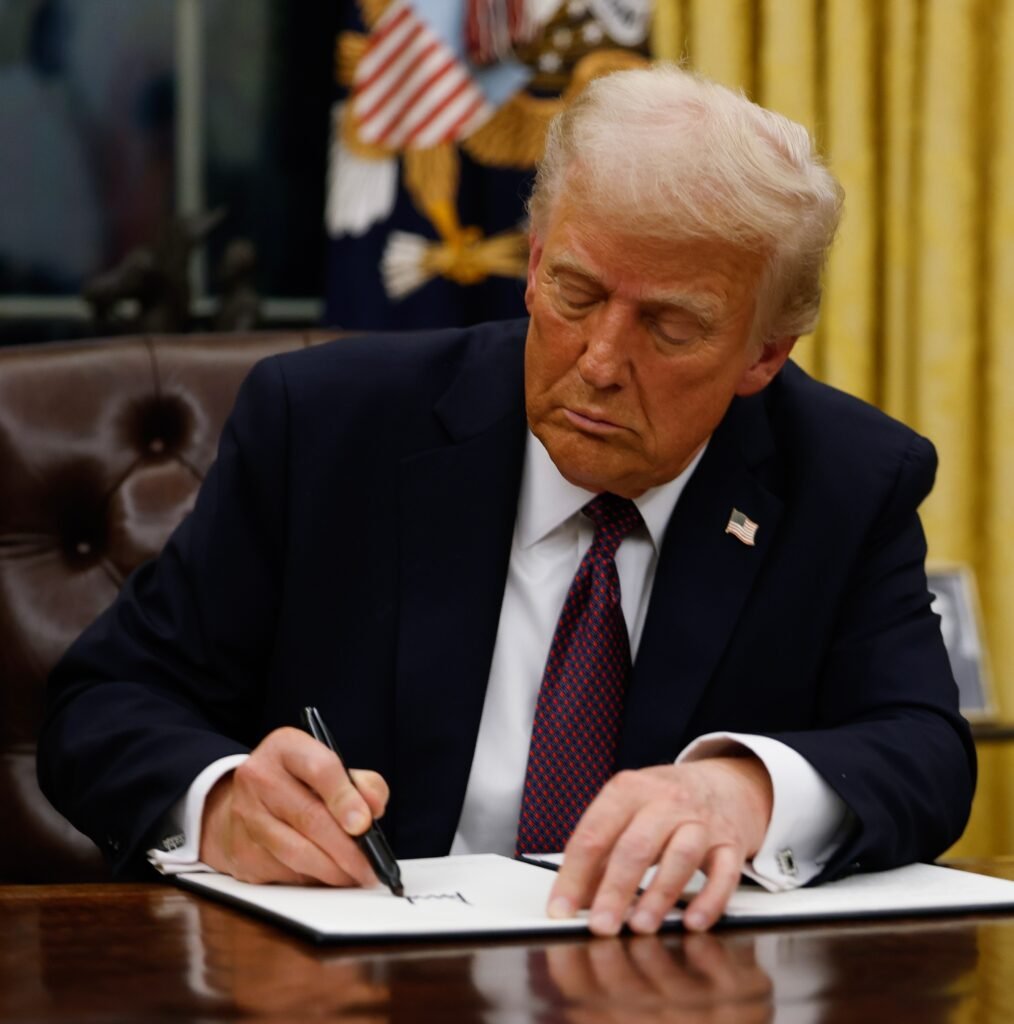
The framework follows an executive order signed by President Donald Trump in December, aimed at ensuring U.S. dominance in the global AI race while addressing concerns ranging from data center infrastructure to AI-enabled scams.
Six Objectives for Innovation
The administration outlined six core objectives for Congress, designed to balance rapid technological advancement with public trust. Key proposals include:
-
Streamlining Infrastructure: Fast-tracking permits for data centers to generate power on-site.
-
Combatting Fraud: Bolstering legal tools to target AI-driven scams and deepfakes.
-
Child Safety: Providing parents with enhanced tools to manage children’s digital footprints.
-
Anti-Censorship: Preventing the federal government from “coercing” AI providers to alter content based on partisan agendas.
Federal Preemption vs. State Oversight
A central pillar of the plan is the preemption of state-level AI laws. The administration argues that a “patchwork” of state regulations could stifle innovation and weaken America’s competitive edge against China.
Michael Kratsios, Director of the Office of Science and Technology Policy, stated the framework will “unleash American ingenuity” and “lower costs” for citizens. Rather than a single oversight body, the White House recommends sector-specific regulation through existing agencies.
Industry and Advocacy Reaction
The proposal has drawn sharp reactions from across the tech landscape:
-
Supporters: Collin McCune of Andreessen Horowitz called the framework a “big step” toward providing clear rules for innovators.
-
Critics: Brendan Steinhauser, CEO of The Alliance for Secure AI, argued the plan provides “no path to accountability” for technological harms. Brad Carson of Public First Action likened the proposal to “saccharine,” claiming it lacks nutritional substance for public safety.
The Road to Legislation
While the White House intends to work with Congress to codify the framework into law in the coming months, policy experts remain skeptical. Many believe passing significant AI legislation will be a difficult feat ahead of the November midterm elections.